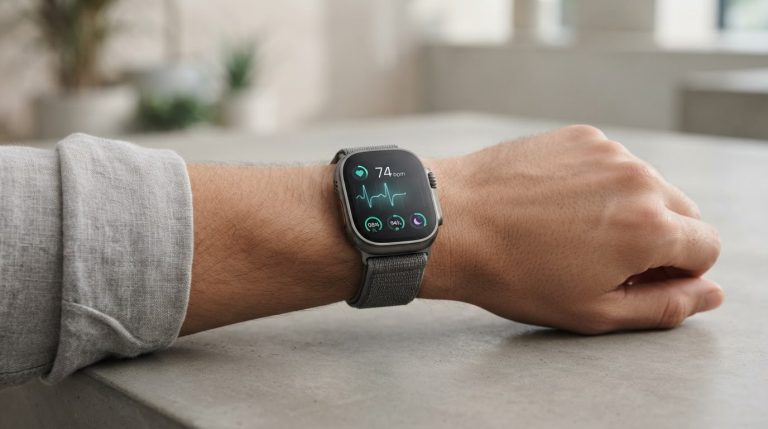

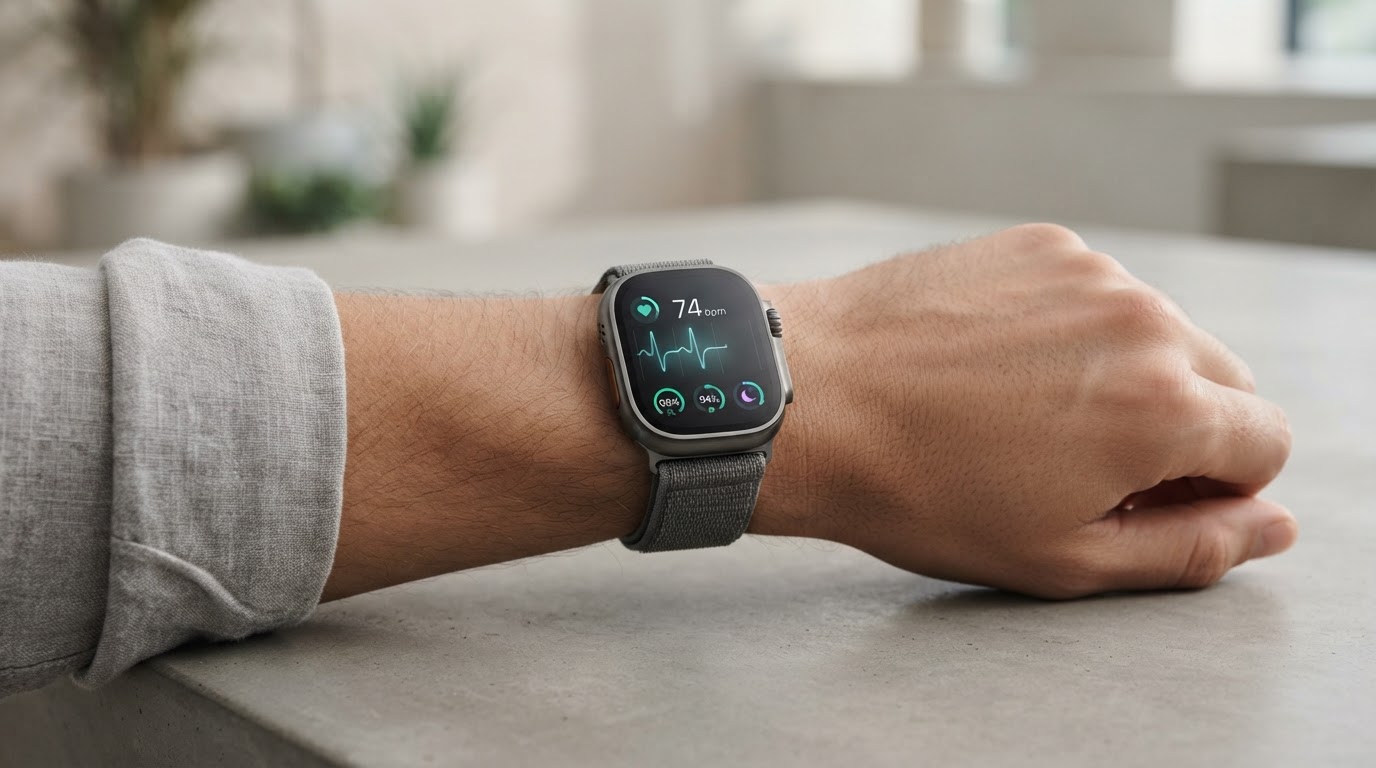
Smartwatches can make health and fitness trends easier to follow, but a number on your wrist is not automatically a medical measurement. Optical sensors estimate signals through your skin, and results can change with movement, fit, temperature and device design.
1. Heart-rate readings depend on fit
Wear the watch snugly above the wrist bone, without cutting off circulation. A loose band, tattoos, sweat, cold skin and vigorous movement can affect optical readings.
2. SpO2 is an estimate
Wrist-based oxygen readings can be affected by motion, skin perfusion, fit and other factors. Do not use a consumer smartwatch to diagnose a breathing or oxygen problem or to delay medical care.
3. Sleep stages are approximations
Sleep tracking uses movement and physiological signals to estimate sleep and wake periods. It can help reveal broad patterns, but it does not replace a clinical sleep study.
4. Use trends, not one isolated number
Consistent measurements over time may help you notice changes in your routine. Check the device instructions and compare readings under similar conditions.
5. Know the model’s limitations
Features vary by country, model and software. Some functions may be unavailable or not cleared for medical use in your region. Read the manufacturer’s safety notes.
6. Keep the sensor clean
Clean the back of the watch and your skin. Wear it in the position recommended by the manufacturer and avoid measuring during intense movement if you want a steadier reading.
7. Do not ignore symptoms
If you feel unwell, have chest pain, severe shortness of breath, fainting or other urgent symptoms, seek appropriate medical help rather than relying on a watch reading. A normal-looking number does not rule out a problem.
Bottom line: a smartwatch is useful for motivation and long-term trends. For diagnosis, treatment decisions or concerning symptoms, use appropriate medical assessment and validated equipment.
This article is general information, not medical advice. Sensor accuracy and regulatory status vary by device and region.