

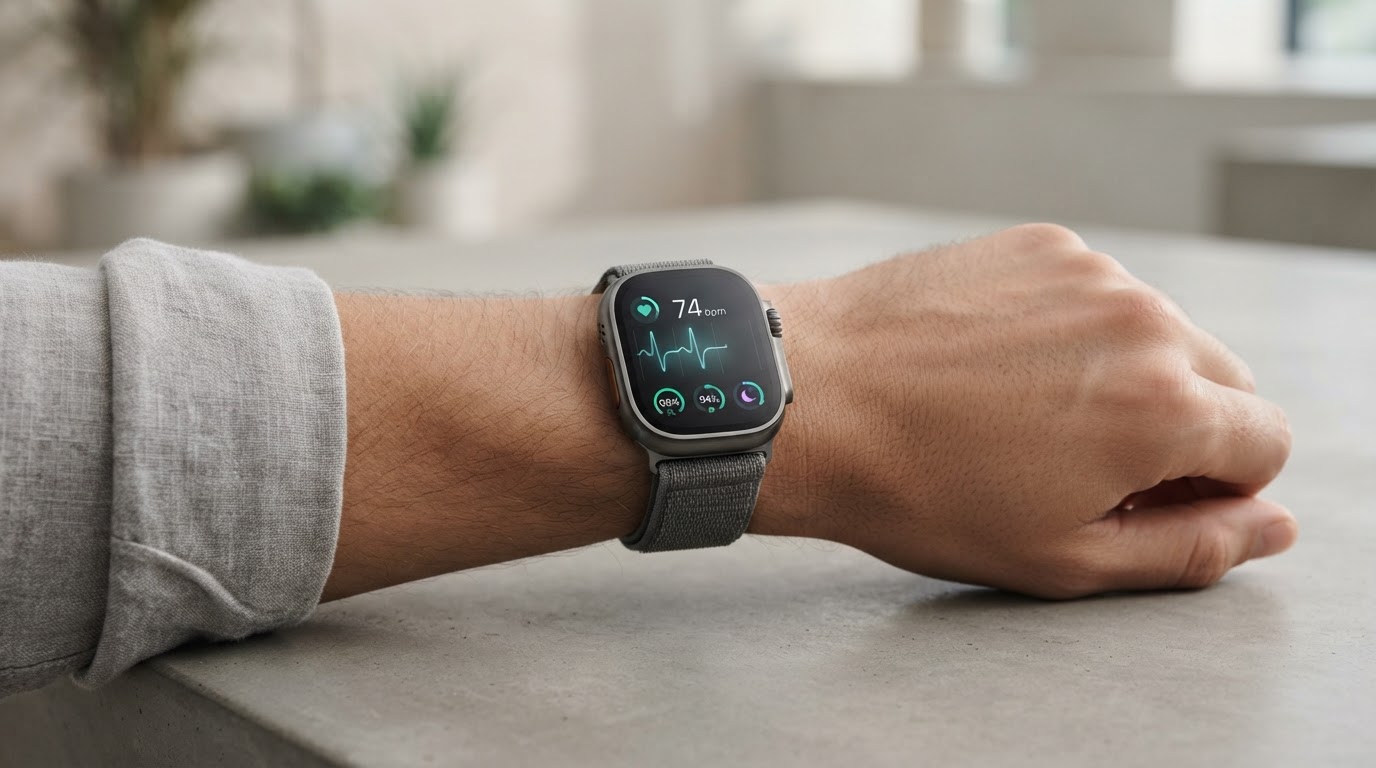
Wearables are moving beyond step counts and basic heart-rate readings. Huawei’s recently unveiled Sense G1 has drawn attention for its glucose-monitoring focus, highlighting how smartwatch-style devices may increasingly aim to provide more health-related insights. It is an important development in wearable technology, but consumers should be careful not to confuse a product announcement with a clinically validated medical test.
Why glucose monitoring on wearables matters
Glucose information can be valuable for people managing diabetes and for clinicians assessing patterns over time. Traditional glucose monitoring methods have established measurement procedures. A wrist-worn device promising glucose insights must demonstrate how it measures, how accurate it is across different users and conditions, and whether it has received the necessary regulatory clearances in each market.
What is known about the Sense G1?
Recent coverage describes the Sense G1 as a wearable centred on continuous glucose monitoring. However, buyers should wait for the complete technical documentation before assuming that it replaces a finger-prick meter or an approved continuous glucose monitor. Details such as sensor method, calibration, accuracy, supported regions, app compatibility and regulatory status are essential.
What buyers should check before purchasing
- Is the glucose feature available in your country?
- Has the device received the relevant medical-device approval?
- Does it require calibration or a separate sensor?
- Can the companion app export data for a healthcare professional?
- What is the battery life with health monitoring enabled?
What about Bangladesh availability?
There is no confirmed Bangladesh retail price or local availability in the information currently reported. Before buying an imported wearable, check warranty coverage, language support, app-region restrictions and whether the health feature works with a Bangladesh account.
MIUI BD takeaway: glucose-focused wearables could become a major category, but health decisions must never rely on an unverified smartwatch feature. Use approved medical devices and consult a qualified healthcare professional for diagnosis or treatment decisions.
Source: Newscast Tech — wearable technology coverage, November 2026.